The AI Coding Wars Just Got Real: OpenAI's Codex Hits 1M Downloads While Anthropic Roasts Them on Super Bowl Sunday
NotionRemember When Tech Companies Competed Quietly?
Yeah, those days are over.
While OpenAI was celebrating 1 million downloads of their Codex app in just seven days, Anthropic was busy buying Super Bowl airtime to throw shade at their biggest rival. The AI wars just went from boardroom strategy to prime-time roasting.
And honestly? This is the most entertaining tech rivalry since the browser wars.

The Numbers That Made OpenAI Pop Champagne
Let's talk about that Codex launch. CEO Sam Altman confirmed the milestone on X, and the growth trajectory is bananas—60% week-over-week increase in overall users following the Mac app launch and the GPT-5.3-Co release.
But here's the plot twist: limits may be coming to free tier users. Sound familiar? It's the classic Silicon Valley playbook: hook users with generous free access, then slowly tighten the screws once you've got them hooked.
The timing couldn't be more interesting. Just as developers are getting comfortable with AI coding assistants, OpenAI might be preparing to monetize aggressively. Which brings us to...
Anthropic's Multi-Million Dollar Mic Drop
Anthropic spent millions on Super Bowl commercials with one simple message: "Ads are coming to AI, but not to Claude."
Let that sink in. They bought the most expensive advertising real estate in America to say they won't show ads. The irony is chef's kiss.
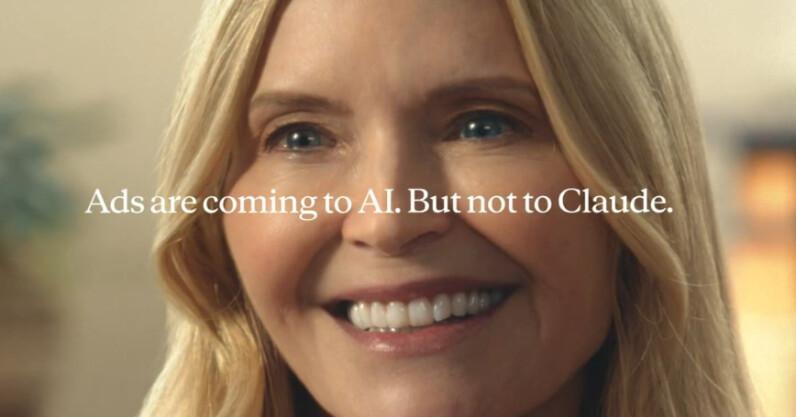
The ads depicted a chatbot interrupting conversations with product pitches—a not-so-subtle jab at OpenAI's rumored monetization plans. It's the corporate equivalent of subtweet, except it cost them several million dollars and reached 100+ million people.
What This Really Tells Us About AI's Business Model Problem
Here's the uncomfortable truth: nobody has figured out how to make AI products sustainably profitable at scale yet.
The AI Monetization Dilemma:
High compute costs + User expectations of free access
↓
Unsustainable burn rate
↓
Pick your poison:
• Ads (users hate this)
• Subscriptions (limits growth)
• Usage caps (kills engagement)
• Enterprise focus (smaller market)
OpenAI seems to be testing multiple approaches simultaneously. Anthropic is betting their ad-free promise will be a competitive moat. Both are burning through investor cash like it's going out of style.
Meanwhile, In Other Corners of Tech...
While AI companies figure out monetization, MrBeast just bought a banking app for teens. Because apparently having 466 million YouTube subscribers wasn't enough—now he wants to teach Gen Z about money management.

The acquisition of Step comes right before his planned personal finance YouTube channel launch. Say what you will about MrBeast, but the man understands his audience. If anyone can make financial literacy go viral, it's the guy who's built a career on giving away money.
The Pattern You Should Be Watching
Notice what's happening? The lines between different tech sectors are completely dissolving.
- YouTubers buying fintech apps
- Bitcoin miners pivoting to AI infrastructure (Cango just sold $305M in BTC to fund GPU deployments)
- AI companies competing on advertising ethics
- Fraud detection models running in 300 milliseconds teaching broader AI lessons about speed and scale We're in a period of radical convergence and experimentation. The old categories don't hold anymore.
So Who Wins the AI Wars?
Honestly? Probably not the company with the best technology.
It'll be whoever figures out the business model first. OpenAI has distribution and brand recognition. Anthropic has positioned itself as the "ethical" alternative. Google has integration. Microsoft has enterprise relationships.
But here's my hot take: the company that wins will be the one that makes developers feel like partners, not products. Codex's 1M downloads show there's massive demand. Anthropic's Super Bowl ads show there's deep anxiety about how that demand gets monetized.
The question isn't whether AI coding assistants will transform software development—that's already happening. The question is whether we'll pay for them with our wallets, our attention, or our data.
Which poison would you pick?